The Ultimate Guide to Bath Towels: History, Materials, and Care
5 min read


The Evolution of Bath Towels: From Tradition to Modern Day 🛁✨
The history of bath towels can be traced back to ancient civilizations, where woven fabrics served both practical and symbolic purposes. In these early societies, basic weaving techniques were employed to create coverings from natural fibers, providing users with a method to dry off after bathing. For instance, archaeological evidence suggests that the Egyptians utilized linen as their preferred material for towels, often elaborately embroidered, signifying not only functionality but also the status of the owner.
As cultures evolved, so did the design and significance of towels in daily life. In ancient Rome, elaborate bathhouses necessitated the use of larger, more absorbent towels, leading to the development of thicker fabrics such as cotton. The introduction of cotton as a widely used textile in the Middle Ages marked a pivotal point in towel evolution, enhancing their absorbent capacity and softness, which were important attributes for personal grooming.
The expansion of trade routes during the Renaissance period further enriched the diversity of towel materials. Different regions began to influence each other with unique weaving techniques and dyeing methods. Notably, Turkish hammams played a significant role in popularizing the peshtemal or fouta, a lightweight towel that has gained modern traction due to its portability and fast-drying characteristics.
In the 19th century, advancements in textile technology such as the power loom and synthetic fiber production transformed the towel industry. The introduction of terry cloth in the late 1800s represented a significant innovation, offering superior absorbency and comfort. This fabric has since become synonymous with modern bath towels, leading to a revolution in their design and accessibility. 🧼
Throughout these phases, bath towels have maintained their essential purpose while evolving significantly in form, function, and cultural significance. Their journey from handwoven ancient textiles to contemporary absorbent materials illustrates both the adaptability of human creativity and the ongoing quest for comfort and utility in personal care.
Understanding Towel Materials: A Comparative Analysis 🧵🔍
Choosing the right towel material can significantly enhance your bathing experience, as each type offers distinct characteristics and benefits. Here, we will analyze various towel materials, focusing on their absorbency, softness, durability, drying speed, maintenance requirements, and ideal use cases.
Cotton is a popular choice for bath towels due to its excellent absorbency and softness. Standard cotton towels can absorb moisture effectively, making them suitable for everyday use. They are relatively durable, although frequent washing may cause some loss in softness over time. Cotton towels typically dry at a moderate pace, requiring user attention during maintenance to ensure longevity.
Egyptian cotton stands out for its long fibers, contributing to a supremely soft and luxurious feel. These towels tend to be highly absorbent and durable, often keeping their plush texture even after multiple washes. Their drying speed is comparable to regular cotton, but users must acknowledge that the premium nature of Egyptian cotton usually comes with a higher price point.
Turkish cotton, known for its lightweight nature, is another excellent option. Turkish towels are incredibly absorbent and dry quickly, making them perfect for travel or beach outings. While they may initially feel a bit less plush than Egyptian or standard cotton, they become softer after a few washes, offering a unique blend of comfort and utility.
Bamboo towels are gaining popularity for their softness and eco-friendly properties. Naturally anti-bacterial, they provide a sustainable option without compromising absorbency. However, bamboo towels can sometimes require more careful washing to maintain shape and softness. 🌱
Linen towels, made from flax fibers, are highly durable and have a unique texture. Though less absorbent than cotton, they excel in drying speed, making them an excellent choice for humid environments. Their rustic charm and longevity make them worth considering. 🌾
Microfiber towels offer the advantage of rapid drying and are lightweight, making them ideal for athletic users and travelers. They have superior moisture-wicking properties, though they may lack the plush feel and luxurious experience provided by cotton-based towels. 🚴♂️
Ultimately, the best towel material will depend on your personal preferences and specific needs. By understanding the pros and cons of each type described, you can make an informed decision about the most suitable towel for your bathing routine. 🛁💡
Decoding GSM: The Importance of Towel Weight ⚖️
Grams per square meter (GSM) is a crucial metric that measures the weight of fabric, specifically in textiles such as bath towels. This measurement not only provides insights into the towel’s density but also significantly influences its thickness, absorbency, and drying time. Understanding GSM is essential for selecting the right towel to meet specific needs and preferences. 📏
A higher GSM typically indicates a denser, thicker towel, which often equates to improved absorbency and luxury. Towels with GSM ratings between 400 and 600 are commonly categorized as medium-weight towels. They strike a balance between absorbency and quick drying, making them ideal for family use and general household settings. Conversely, towels with a GSM of 600 or above tend to be heavier and fluffier, providing a plush feel that is often associated with luxury bathrooms. These towels, however, may take longer to dry after use. 💎🕐
On the other end of the spectrum, towels with a GSM of 300 or below are typically lightweight and quick-drying. Such towels are well-suited for travel, gyms, and humid environments where portability and ease of care are essential. Lightweight towels can easily fit into luggage or gym bags, and their fast-drying nature minimizes odors caused by moisture retention. 🏕️
When selecting bath towels, it is necessary to consider the specific usage scenarios. For instance, if a towel is intended for use in a luxury bathroom, opting for a higher GSM may enhance the overall experience. However, for everyday family use or for those who require towels for outdoor activities or travel, a medium-weight or lightweight towel might be more practical due to their balance of comfort and functionality. Understanding and choosing the appropriate GSM ensures optimal performance and satisfaction in different situations. ✨
Choosing the Right Bath Towel: A Comprehensive Guide 📚
Selecting the perfect bath towel involves multiple considerations, including material, weave, size, and performance. Understanding these factors can significantly enhance your drying experience and overall satisfaction with your choice. 🛁
First, consider the material. Cotton is the most popular choice due to its softness, absorbency, and durability. Within cotton options, Egyptian and Turkish cotton are known for their luxurious feel and high absorbency. Microfiber towels offer quick drying times and are lightweight, making them ideal for travel but may lack the plush comfort that traditional cotton provides. 🏷️
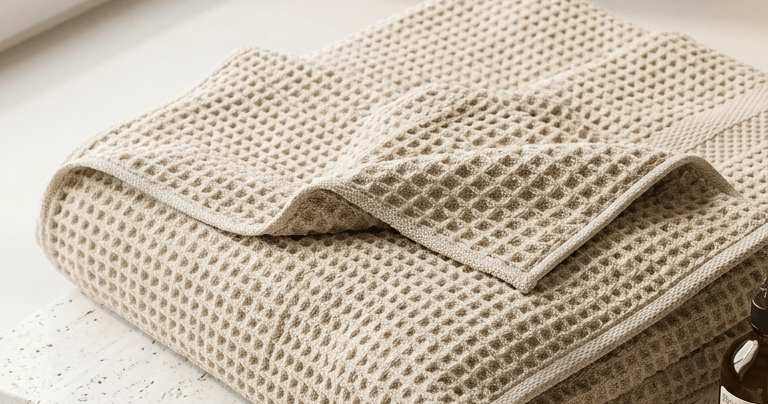
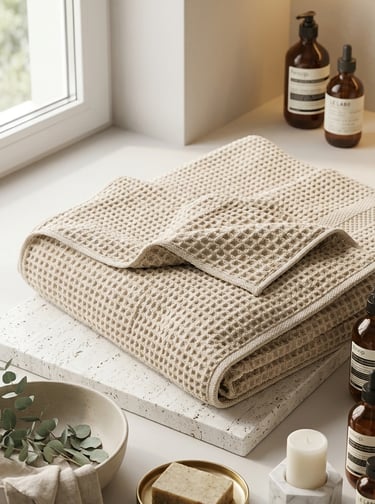
The weave of the towel plays a crucial role in its effectiveness. Terry towels, characterized by their loops, are highly absorbent and suitable for everyday use. Their thicker design allows for minimal moisture retention on the skin while maximizing drying efficiency. On the other hand, waffle weave towels feature a textured pattern that enhances their surface area, allowing for quick drying and lightweight functionality, making them excellent for special occasions or spa-like environments. 🌊
Size matters as well. A standard bath towel measures around 27 by 52 inches, while larger options can reach up to 35 by 60 inches. Consider your personal needs and the space available for hanging and storing towels. Also, look for towels with low lint production, as these maintain their appearance and comfort over time. 📐
Regarding care, machine-washable towels are the most convenient, but be cautious with fabric softeners that can reduce absorbency. Lastly, color and design are personal preferences that can enhance your bathroom decor. From classic white to bold hues, your choice should reflect your style while complementing your living space. 🛁🎨
Check out our recommendation here
Disclosure: As an Amazon Associate, I earn from qualifying purchases made through links on Pinterest and my website.


Clyxo
est. 2026
GIVE US A FOLLOW ON
www.pinterest.com/clyxo_store
📍United Kingdom
© 2026 clyxo.site
🎯 Our aim is to become the UK's biggest Amazon affiliate on Pinterest
HONEST SOURCES. REAL INSPIRATION.